Get your FREE heart disease screening at Life Imaging
Discover potentially life-saving answers with our 10 minute non-invasive, low-dose CT scan
Request a FREE next-day heart scan* ($699 value)
Congratulations!
You have taken an important first step towards optimizing your health with Life Imaging!
A scheduling agent will call you shortly from our office at (954) 834-6362 to confirm your appointment. To streamline this process and reserve your scan, please answer this potentially life-saving phone call.
If you have any urgent questions, we're available Monday through Saturday, 8:00 AM to 4:00 PM.
Get your FREE heart disease screening at Life Imaging
Discover potentially life-saving answers with our 10 minute non-invasive, low-dose CT scan
Request a FREE next-day heart scan* ($699 value)
Congratulations!
You have taken an important first step towards optimizing your health with Life Imaging!
A scheduling agent will call you shortly from our office at (954) 834-6362 to confirm your appointment. To streamline this process and reserve your scan, please answer this potentially life-saving phone call.
If you have any urgent questions, we're available Monday through Saturday, 8:00 AM to 4:00 PM.
OUR LOW-DOSE CT SCANNING HAS BEEN FEATURED IN










Heart disease causes roughly 1-in-5 deaths in the United States according to the Centers for Disease Control (CDC)
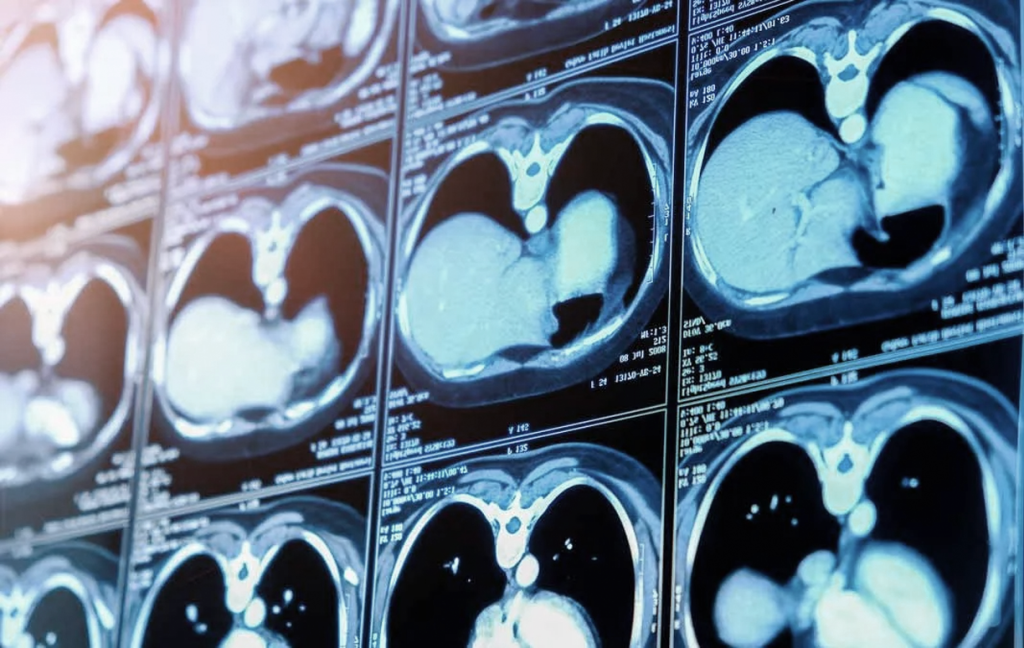
When detected early, however, heart disease and its risk factors are highly treatable. At Life Imaging, experienced radiology specialists detect heart disease using innovative, low-dose GE CT scanning technology. Heart scans are painless, highly effective diagnostic imaging procedures that save lives.
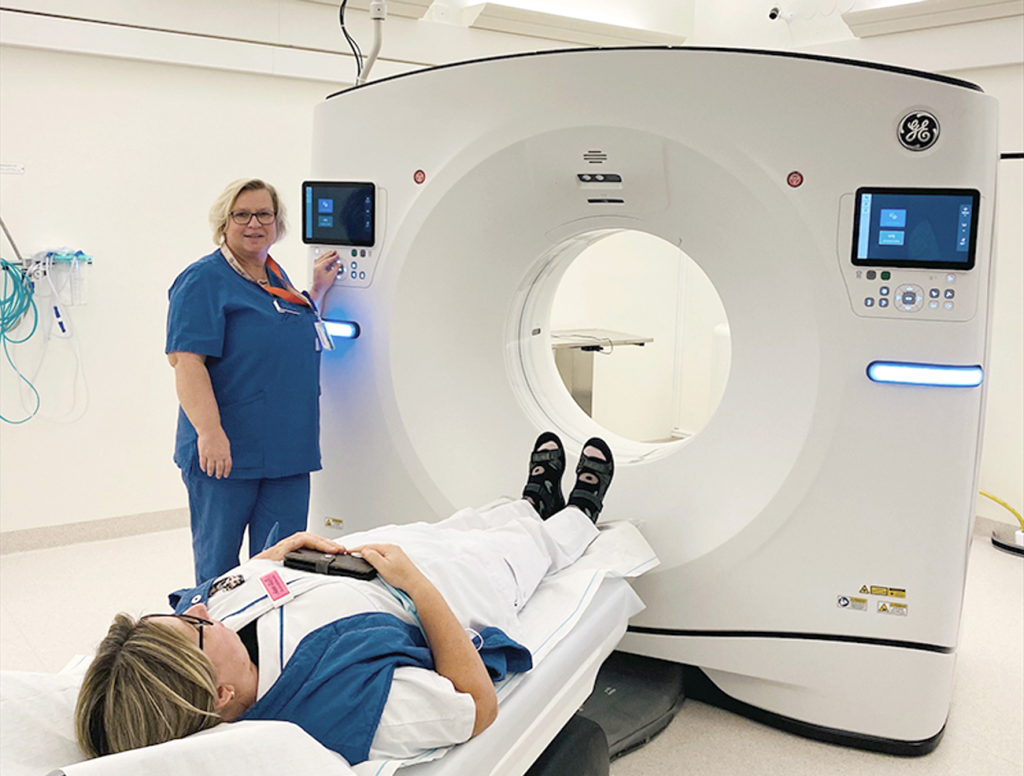
During your screening, you will change into a hospital gown and lie on a comfortable table. While you relax, the exam table slides into a CT imaging machine to create internal images of your heart and its surrounding structures. The process lasts about 10 minutes.
Accuracy
Our painless, low-dose CT scans can detect signs of coronary artery disease with 98% accuracy.
Detection Rate
Nearly 1 in 5 fast, non-invasive scans at Life Imaging result in potentially life-saving findings.
Diseases Detected
We detect over 100 diseases and forms of cancer, in some cases, a decade before symptoms occur.
Take charge of chronic disease detection in 3 easy steps.
In the U.S., the current healthcare system is reactive, focusing on treating illnesses after they occur rather than proactive prevention. You have a right to a deeper understanding of your body’s health, before any symptoms arise.
Here’s how Life Imaging works:
1. Schedule Your Scan
Submit the form to book a free heart scan at your closest Life Imaging location.

2. Come in for Your Scan
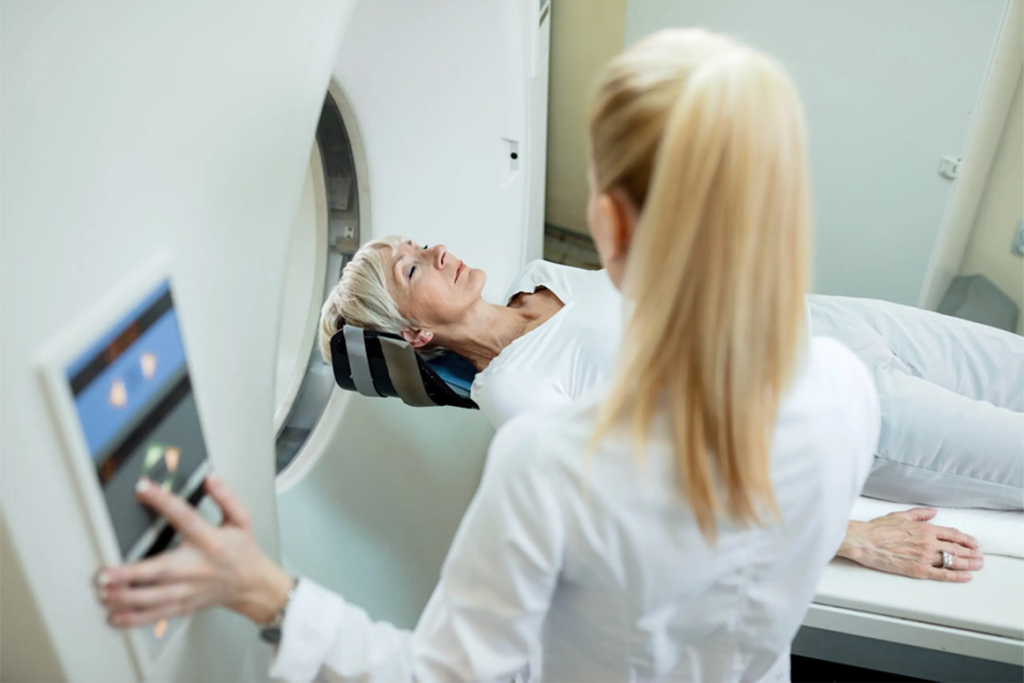
You will stay fully dressed for the 5-10 minute scan. It’s fast, non- invasive and safe.
3. Review Your Results
Review your family history with a patient advocate. You will receive a copy of your results.

Common questions about Life Imaging heart disease screening
Life Imaging CT scanning technology can detect or rule out the following heart conditions and more:
- Heart disease
- Heart attack risk factors
- Coronary artery disease (CAD)
- Aortic aneurysms
- Calcified heart valves
- Fluid on the heart
- Congenital abnormalities of coronary arteries.
- Enlarged heart
- Heart tumors
- Heart inflammation
- Thickening of the heart membrane
- Calcified lymph nodes
- Atherosclerosis of aorta (descending/ascending)
Low-dose GE CT scanning technology is the most sensitive, effective tool for detecting and quantifying CAD. It’s more effective for this type of diagnosis than ultrasound,nuclear stress testing, physical exams, blood tests, and electrocardiograms (EKGs). The advantages of using low-dose GE CT scanning to screen for heart disease include:
- FDA approved
- Highly accurate results
- No pain, invasive procedures, or downtime
- Fast results, within hours or days
- No needles, dyes, or contrasts
- Quick, comfortable experience
- Lower doses of radiation
- 98% accuracy in detecting CAD
- No sedation required
- Earliest possible detection of CAD and other heart issues
Who is a candidate for heart disease screening?
Candidates for heart disease screening at Life Imaging are individuals with a personal or family history of heart problems and those with high blood pressure, high cholesterol, or high triglycerides. Other risk factors include lack of exercise, poor diet, stress, and being overweight or obese. Men aged 35-75 and women aged 40-75 are often candidates for heart screening.
What happens during heart disease screening?
During low-dose GE CT scanning at Life Imaging, you simply change into a hospital gown and lie on a comfortable table. While you relax and hold still, the exam table slides into a CT imaging machine to create internal images of your heart and its surrounding structures. You might need to hold your breath at certain times during screening, which often lasts about 15 minutes.
What can I expect after my heart scan?
You can resume daily activities immediately after heart disease screening at Life Imaging since there’s no downtime needed. A radiologist interprets the images and offers specialist referrals if you have signs of heart irregularities.
Hear our life-saving stories.
Life Imaging saved my life
‘In January, I went for a free CT scan and I had two stents put in my heart. The cardiologist said that within 6-9 months I would have had a stroke, died, or had a silent heart attack. Life Imaging saved my life’
A Free Scan is a No-Brainer
‘The conventional approach to medicine has it all backwards. They wait to diagnose and manage a disease after it’s developed. Life Imaging offers you an opportunity to look directly inside the body.’
They Found a Cancerous Tumor
‘I went for a scan because my mom had died of a heart attack at the end of May. I’m in perfect health, no symptoms of anything, 58 years old, non-smoker, healthy, no medication. Well, they found a cancerous tumor in my left-upper lobe of my lung. I’m told that I caught it so early that I’m going to be totally fine. Everyone is saying, including the doctor, that getting the scan saved my life.’
Our Low-Dose CT Scanner is among the safest and most accurate in the world
Traditional risk factors only catch 22-50% of diseases. Life imaging CT scanning detects 100+ conditions and diseases:
– Coronary Artery Disease– Most forms of Cancer
– Aortic Aneurysms
– Calcified Heart Valves
– Enlarged Heart
– Inflammation or Thickening of Membrane Around the Heart
– Tumors on the Heart
– Atherosclerosis of the Ascending and Descending Aorta
– Calcified Lymph Nodes
– Congenital abnormalities involving the coronary arteries
Heart Disease Screening FAQs
Life Imaging’s heart disease screening is a non-invasive, low-dose CT heart scan that creates detailed images of the heart and nearby structures. It’s used to evaluate heart-related risk and identify early indicators associated with coronary artery disease and other findings, often before symptoms appear. The goal is a clear report you can share with your primary care provider or cardiologist to guide prevention steps and follow-up decisions.
During Life Imaging’s heart disease screening, you check in, confirm a few basic health details, and lie on a table that moves through the CT scanner while images are captured. You may be asked to hold your breath briefly so the images are clear. The scan is typically quick, and most people return to normal activities immediately afterward because the exam is designed to be non-invasive.
Life Imaging’s heart disease screening is designed to be performed without needles, contrast dye, or sedation. Because there is no sedation, most patients drive themselves and continue their day afterward. The key requirement is following scheduling instructions so the scan is completed under the right conditions for clear images and accurate interpretation.
Life Imaging’s heart disease screening evaluates the heart and surrounding structures for imaging findings linked to cardiovascular risk, including indicators associated with coronary artery disease. The scan can highlight features such as calcification and other structural observations that may warrant prevention planning or medical follow-up. The report provides a written summary of findings so your physician can decide whether lifestyle changes, monitoring, or additional testing is appropriate.
A preventive heart screening may be appropriate if you want a baseline assessment or if you have common risk factors such as family history of heart disease, high blood pressure, high cholesterol, diabetes, smoking history, long-term stress, or weight gain over time. Many people choose screening when they feel well but want clearer insight than risk factors alone. Your physician can help you decide if screening is a good fit for your profile.
If you have urgent symptoms such as chest pain, sudden shortness of breath, fainting, severe weakness, or new neurological symptoms, you should seek immediate medical evaluation rather than relying on screening. Preventive CT screening is intended for risk assessment, not emergency diagnosis. If you already have diagnosed heart disease, your physician may recommend a different testing pathway based on your medical history and current symptoms.
Follow the instructions you receive when you schedule. In general, it helps to bring a current medication list and any relevant prior cardiac testing you’ve had so results can be interpreted in context. If you have a known heart condition or past procedures, share that information during scheduling so your visit is matched to the appropriate screening workflow.
Use your Life Imaging results report as a decision tool. If the scan is reassuring, many patients treat it as a baseline for prevention planning. If the report notes findings that require attention, the next step is to share it with your primary care provider or cardiologist, who can recommend follow-up testing, monitoring intervals, or treatment based on your overall risk profile.