
Get your abdomen + pelvis screening at Life Imaging
We save lives by detecting chronic diseases, cancer, and more in 15 minutes or less
Request your next-day abdomen scan below
Congratulations!
You have taken an important first step towards optimizing your health with Life Imaging!
A scheduling agent will call you shortly from our office at (954) 834-6362 to confirm your appointment. To streamline this process and reserve your scan, please answer this potentially life-saving phone call.
If you have any urgent questions, we're available Monday through Saturday, 8:00 AM to 4:00 PM.
OUR LOW-DOSE CT SCANNING HAS BEEN FEATURED IN










More than half of all adults in the United States have cancer or another chronic disease

At Life Imaging, our skilled radiology specialists provide abdomen and pelvis screening to help people find peace of mind through early disease detection and peace of mind through preventive screening.
Abdomen and pelvis screening at Life Imaging uses cutting-edge, low-dose GE CT scanning technology to detect abdominal cancer or other medical concerns before they cause serious problems for your health. Early detection means a better chance of successful, long-lasting health outcomes.
Schedule a low-dose GE CT scan by calling the office or requesting an appointment online today.
Accuracy
Our painless, low-dose CT scans can detect signs of coronary artery disease with 98% accuracy.
Detection Rate
Nearly 1 in 5 fast, non-invasive scans at Life Imaging result in potentially life-saving findings.
Diseases Detected
We detect over 100 diseases and forms of cancer, in some cases, a decade before symptoms occur.
Take charge of chronic disease detection in 3 easy steps.
In the U.S., the current healthcare system is reactive, focusing on treating illnesses after they occur rather than proactive prevention. You have a right to a deeper understanding of your body’s health, before any symptoms arise.
Here’s how Life Imaging works:
1. Schedule Your Scan
Submit the form to book a free heart scan at your closest Life Imaging location.

2. Come in for Your Scan
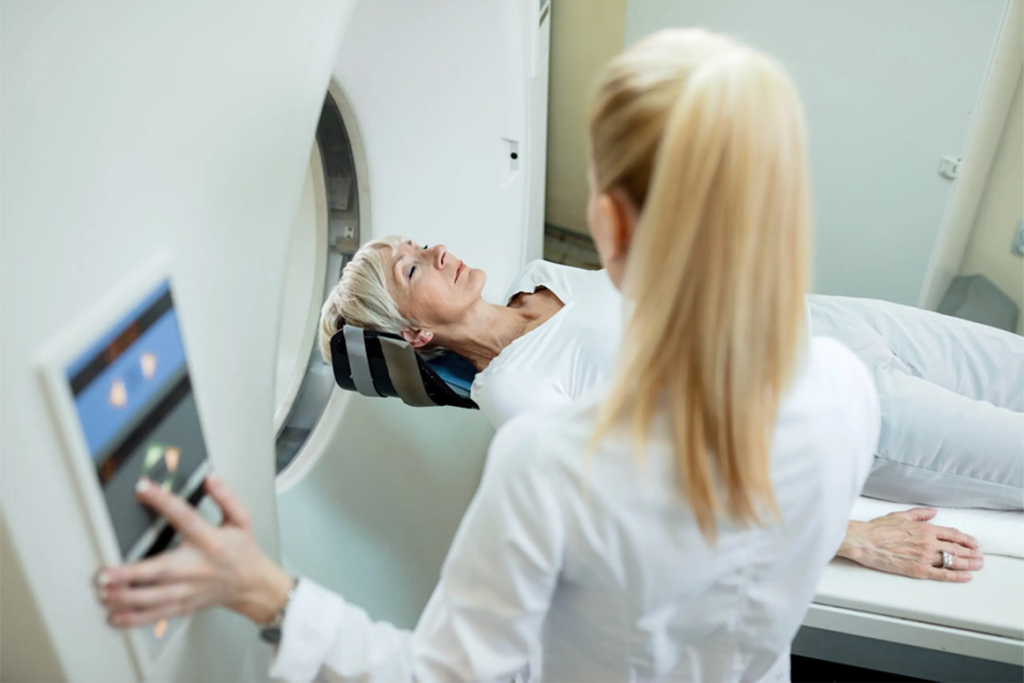
You will stay fully dressed for the 5-10 minute scan. It’s fast, non- invasive and safe.
3. Review Your Results
Review your family history with a patient advocate. You will receive a copy of your results.

Common Questions
What are the benefits of abdomen and pelvis screening?
The advantages of choosing Life Imaging for your abdomen and pelvis screening needs include:
- Early detection
- Peace of mind through preventive screening
- FDA-approval
- No pain, sedation, or downtime
- No contrasts or dyes
- Quick procedure and results
- High accuracy
- Lower doses of radiation
- Utmost safety
Abdomen and pelvis screenings can save lives by detecting cancer and other concerns before they become problematic and more difficult to treat.
Which conditions can abdominal and pelvis screening detect?
Low-dose GE CT scanning at Life Imaging can detect or rule out the following abdominal and pelvis conditions and more:
- Abdominal aortic aneurysms
- Enlarged organs and lymph nodes
- Vascular diseases
- Cysts
- Tumors
- Fatty liver
- Gallstones
- Calcified kidney
- Diverticulitis
- Gastritis
- Esophagus thickening
- Fibroid tumors
- Ovarian cysts
- Enlarged or calcified prostate glands
- Bladder wall thickening
- Inguinal, ventral, or hiatal hernias
These screening tests are often used in individuals with a family history of cancer and those exposed to work environments placing them in contact with cancer-causing or other hazardous materials.
What should I expect during abdominal and pelvis screening?
During GE CT abdominal and pelvis screening at Life Imaging, the skilled specialists have you change into a hospital gown if necessary. They direct you to lie in a position on a scanning table while the table slowly moves into a CT scanning machine to create images of your internal body structures. You might be asked to hold your breath at certain times during the screening. Low-dose GE CT scans often last about 15 minutes, depending on the specific type of scan you need.
What happens after an abdomen and pelvis screening?
After you complete an abdomen and pelvis screening, your Life Imaging specialist interprets the results. They provide referrals as needed to other specialists if they detect signs of abdominal cancer or other abdominal or pelvis abnormalities.
Schedule an abdomen and pelvis screening at Life Imaging by calling the office or requesting an appointment online today.
Hear our life-saving stories.
Life Imaging saved my life
‘In January, I went for a free CT scan and I had two stents put in my heart. The cardiologist said that within 6-9 months I would have had a stroke, died, or had a silent heart attack. Life Imaging saved my life’
A Free Scan is a No-Brainer
‘The conventional approach to medicine has it all backwards. They wait to diagnose and manage a disease after it’s developed. Life Imaging offers you an opportunity to look directly inside the body.’
They Found a Cancerous Tumor
‘I went for a scan because my mom had died of a heart attack at the end of May. I’m in perfect health, no symptoms of anything, 58 years old, non-smoker, healthy, no medication. Well, they found a cancerous tumor in my left-upper lobe of my lung. I’m told that I caught it so early that I’m going to be totally fine. Everyone is saying, including the doctor, that getting the scan saved my life.’
Abdomen and Pelvis Screening FAQs
Life Imaging’s abdomen and pelvis screening is a preventive imaging exam designed to evaluate organs and structures in the abdominal and pelvic regions. It is intended to identify unexpected findings early, often before symptoms appear, and to produce a results report you can share with your physician. The goal is proactive insight that supports clinical decisions, follow-up planning, and baseline tracking over time.
An abdomen and pelvis screening generally evaluates key organs and structures in the abdominal and pelvic regions, which may include areas such as the liver, kidneys, pancreas, bladder, and surrounding tissues. The exact areas covered depend on the screening protocol. If you want to confirm what is included in your exam, verify the scan coverage during scheduling so expectations are clear.
Preventive abdomen and pelvis screening may be appropriate if you want a baseline assessment or you prioritize early awareness due to age, family history, or health concerns. It can also appeal to people who want additional clarity beyond routine labs. Screening is most useful when results are shared with your physician and used to guide a thoughtful next step, rather than being viewed in isolation.
No. Preventive screening is not designed to diagnose urgent or severe symptoms. If you have intense abdominal pain, fever, vomiting, blood in stool or urine, severe pelvic pain, or sudden symptoms, seek prompt medical evaluation. Screening is intended for people who feel well or have stable health concerns and want proactive insight, not emergency answers.
Preparation depends on the protocol, but most patients follow simple scheduling instructions related to timing, hydration, or other pre-scan steps. The best way to support accurate interpretation is to follow prep instructions carefully and share relevant medical history. If you have prior imaging, procedures, or ongoing care, keep that information available for your physician’s review.
An abnormal finding means the scan detected something that should be reviewed, not that a diagnosis has been confirmed. Many findings are benign or non-urgent, but they still may require follow-up. The next step is typically to share the report with your physician, who can recommend additional imaging, lab work, monitoring, or a specialist referral based on the specific finding.
You receive a written results report that can be kept for your records and shared with your primary care provider. If results are normal, many patients keep them as a baseline for future comparison. If findings are noted, the most useful next step is physician review so follow-up decisions are based on your full medical context rather than the scan alone.
No. This screening can complement preventive care, but it does not replace routine checkups, lab work, or physician-recommended screening schedules. The strongest approach is combining imaging results with clinical evaluation when appropriate. Use the report as an additional tool to support prevention planning with your physician.